Health and BeautyWe examine the trends underlying the growth of the global marketplace in health, beauty and hygiene. Our analysts will point the way forward by highlighting critical innovations and behaviours that are driving industry evolution.
Latin America’s beauty and personal care e-commerce channel has expanded at a rapid pace, growing at a 25% CAGR over the past five years, the fastest globally. While growth is beginning to moderate, one thing is clear: the strategic focus is evolving. Winning is no longer about simply building an online presence. Brands must aim for omnichannel presence, seamlessly integrating across every consumer touchpoint, from discovery to purchase, to remain relevant in an increasingly competitive landscape.
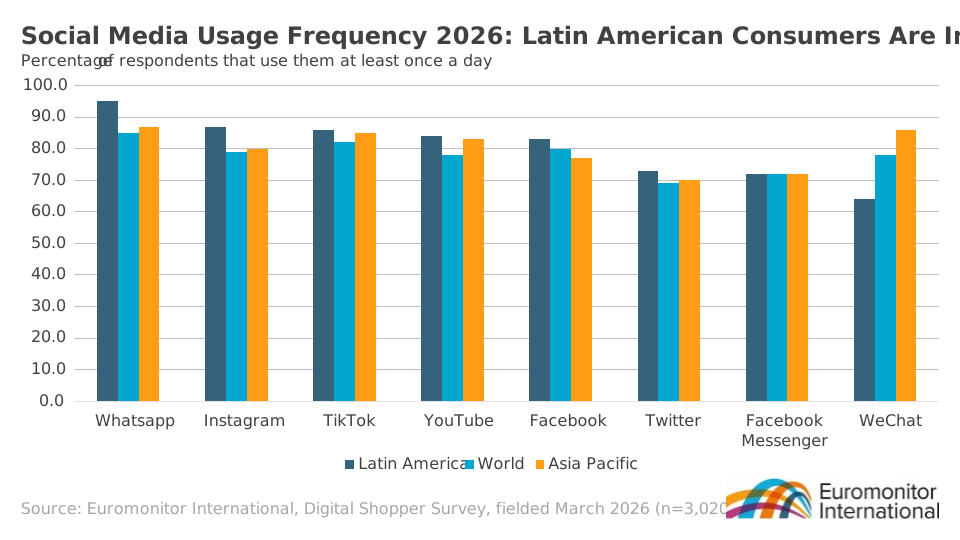
Brands are starting to think how to leverage social media usage and the evolving impact of technologies to convert shoppers.
The e-commerce surge in Latin America struggles to keep its pace
North America remains the most mature beauty e-commerce market, with 44% of sales generated online, compared with just 11% in Latin America, one of the lowest penetration rates globally. While the pandemic accelerated digital adoption across both regions, growth has since become more challenging.
Despite continued expansion, the pace is slowing, pointing to emerging constraints, or early signs of maturity. Increasingly, growth is driven by promotional intensity and major online events such as Cyber Days and Black Friday, rather than sustained organic demand.
At the same time, structural tailwinds are forming. High social media engagement, the expansion of platforms like TikTok Shop, and advances in artificial intelligence are creating favourable conditions for the next phase of e-commerce growth in Latin America.
Additionally, expanding digital payment infrastructure and rising consumer engagement provide new foundations for continued growth, suggesting the channel’s potential is far from fully realised.
Novelty drives channel dynamism
Until 2024, channel strategies of beauty brands in Latin America followed clear consumer and price segmentation. Premium products concentrated in specialists and department stores, dermocosmetics in pharmacies, and e-commerce skewed towards Gen Z. Lower-income consumers relied on grocery and traditional channels, keeping distribution closely aligned with target segments.
This structure began to shift in 2025. More flexible models emerged, including low-cost beauty specialists and department stores targeting younger shoppers. At the same time, premium products expanded into traditional channels, while mass brands entered direct-selling marketplaces, blurring established boundaries.
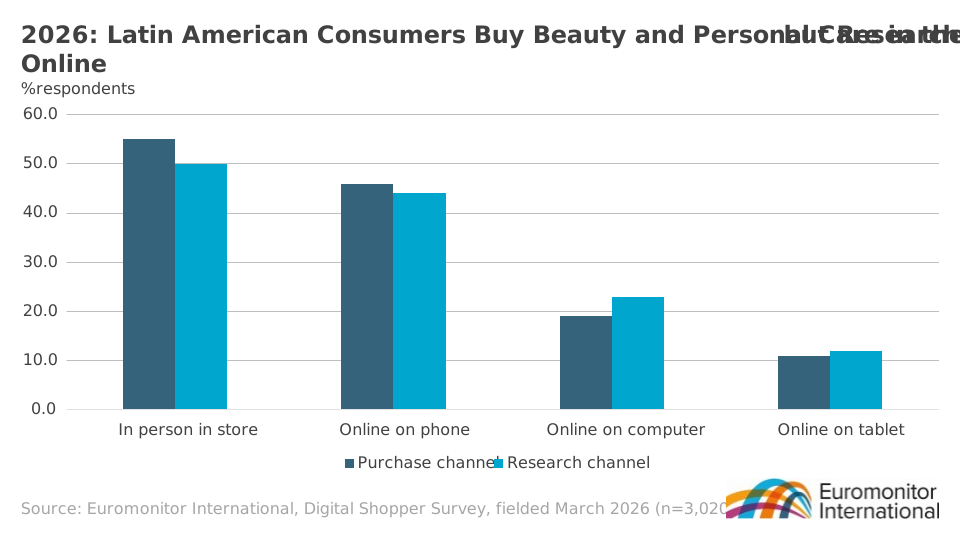
Channel dynamism is accelerating as consumers seek novelty not only online but increasingly in physical retail, where experience is becoming central to the purchase journey. Stores are evolving beyond transactions into spaces for discovery and engagement.
Product innovation is reinforcing this shift. Formats such as sticks, gels, and lightweight textures enhance the sensorial dimension of skin care, making experience a key driver of appeal across both online and offline channels.
The emerging role of AI discovery in a dynamic channel landscape
Latin American consumers remain cautious spenders in today’s volatile environment. Artificial intelligence has begun shaping decisions, offering recommendations, guiding purchases and enabling price comparisons. While AI is influencing the journey, it is not yet shifting consumers fully towards e-commerce. Instead, it reinforces hybrid behaviours: shoppers consult AI in-store or visit physical outlets to try products discovered online.
After searching brands with AI, only 31% of Latin Americans feel confident enough to buy directly through the AI interface, while 15% need to see the product in a store before purchasing it.
Euromonitor Voice of the Consumer: Digital Shopper Survey, fielded March 2026
Thus, for brands in Latin America, visibility in algorithm-led product discovery is becoming a competitive advantage. Those that build strong digital signals, reviews, social engagement, and creator ecosystems will capture disproportionate visibility – offline and online.
This dynamic is accelerating a more fluid retail landscape. Consumers engage across multiple channels, prompting a rethink of traditional segmentation. In response, brands are strengthening integrated omnichannel strategies to remain relevant.
This report highlights key innovation trends in Beauty and Personal Care, analysing new product launch activity on e-commerce along with insights into key…
Global tissue and hygiene remains highly concentrated, but competitive advantage is increasingly shifting beyond scale. This briefing examines how leading…