
Affordability is the biggest question on everyone’s mind. As of mid-2026, inflationary pressures persist, consumers are unhappy, birth rates are low, and tourism to the US has plummeted. The US-Iran war has become a months-long global oil shock that has yet to fully trickle down through the global supply chain. Many consumers are struggling; those who can afford to are seeking out permissible indulgences. The National Restaurant Association (NRA) show saw the results of these drivers on display, as manufacturers look to eke out what profits they can in difficult economic circumstances.
Sweet and spicy, a return to form
Sweet and spicy combinations are not novel territory for snacks manufacturers. Intermittently, however, combination sweet and spicy flavours trend in popular confectionery in the US, eg sweet and spicy Doritos or the hot tamale sweets of the early 2000s. “Swicy” food was one of the major themes of 2026’s NRA show. Hot honey and Tajín reigned supreme as add-ons, mix-ins, or sprinkled on everything from churros to matcha latte cold-foam.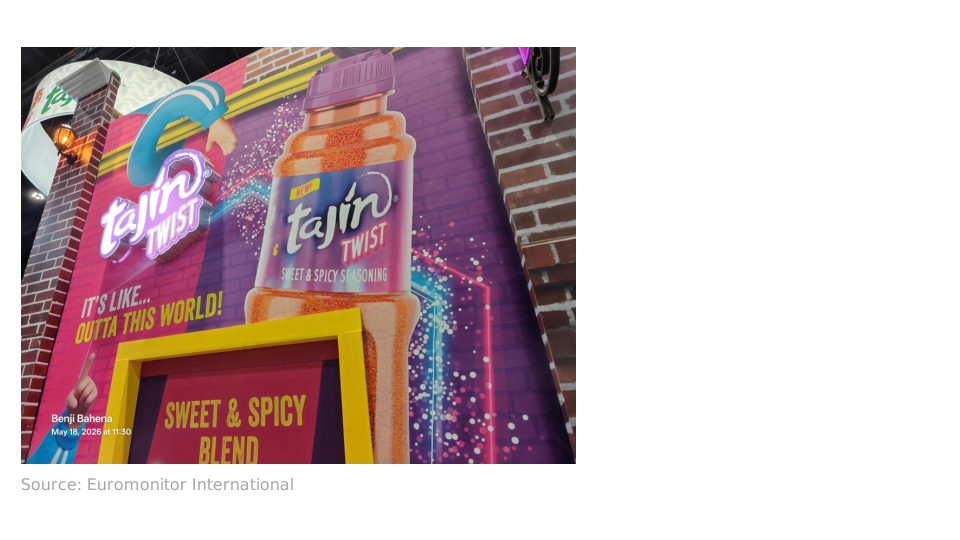
This trend clashes with pullback from GMO foods, the generally positive consumer sentiment around protein (the share of global respondents looking for food containing protein is up 3.4pp since 2019, per Euromonitor’s Health and Nutrition Survey, fielded January to February 2026), and increasing demand for whole foods (26.0% of all consumers are looking for “easy-to-understand ingredient lists”, according to the same survey). Recent commentary on jalapeños as a flavouring agent also points to a decline of spice level.
Protein focus remains on the table
“High Protein” markers have reached everything from pretzels to still water. Consumer sentiment has changed towards macronutrients, so we can expect protein focus to be a perennial mainstay. Higher protein per day per meal looks set to persist, and so consistent is this pattern that protein can be taken for a staple, with manufacturers now asking what can be added beyond macros.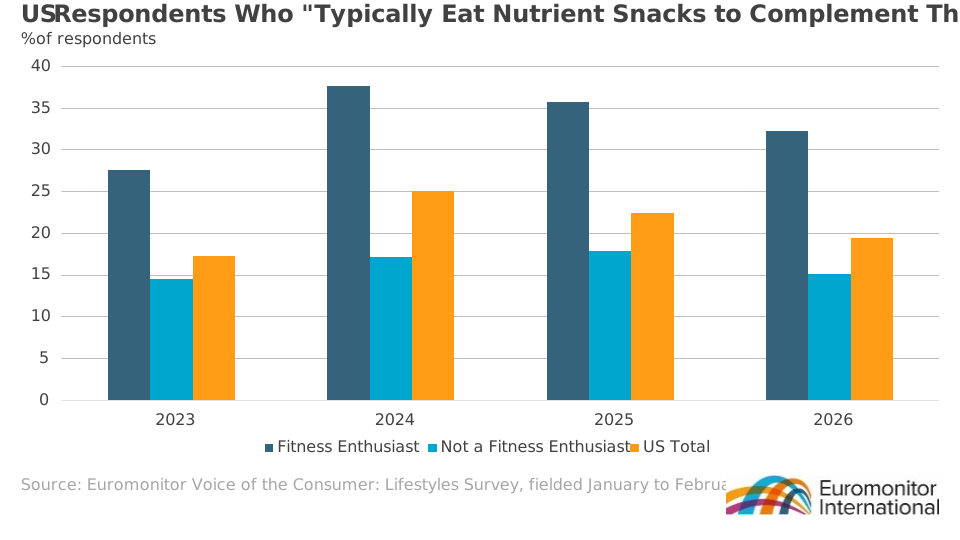
Protein is bringing out its functional friends to play, among a spike in intentional consumption and wellness. Most notably fibre, but also pre/probiotic foods, nootropics, and even creatine and alternative energy supplements saw a spike in product label mentions at the show. Expect these labels to become even more crowded than they already were because, as David bars have proven, consumers are willing to swallow undigestible fat as a vehicle for protein when it makes them feel satiated and is positioned like better nutrition.
However, marketing only goes so far; ultimately, the consumer must also believe a product is good value relative to other choices on the shelf. Getting the value messaging out is especially important for brands looking to capture more market share; as consumer spending power increasingly polarises, the need to extract maximum value from each dollar grows deeper for producers. Consumers consistently indicate they only buy from brands they trust (51.9% globally, per Euromonitor’s Health and Nutrition Survey, fielded January to February 2026); cultivating that is key to retaining consumer loyalty, particularly as on-label claims and attributes accelerate.
Observations on the future of snacks
While “swicy” flavourings and protein were the main headlines, there were plenty more trends on display:
- Cultural flavours: KBBQ Gyros, dedicated foodservice onigiri appliances, boba add-ons on everything. Like “swicy”, not necessarily a new trend, but there was a notable surge in perceived value add from fusion-style foods and integrating cultural experiences.
- AI: While Starbucks has recently divested from AI inventory taking, many start-ups promise POS upgrades, quicker marketing, and higher foot traffic count from AI integrations.
- Personalisation: The sheer number of mix-ins and syrups for drinks alongside sauces and toppings for snacks and other foods revealed an increasingly direct approach to marketing to “you”.
- Plant-based looks to pivot: The overall footprint of plant-based foods at the NRA show was noticeably smaller than in years past. But where possible, plant-based looked to highlight the functional aspects of clean-label foods.
Blue sky is available
Ultimately, the conclusion to draw is clear: consumers want value, and manufacturers will push as much as they can into an individual product to fill that desire for value. Whether it be health trends, innovative flavouring combinations, or novel vehicles to maximise nutrient intake, there is plenty of blue sky available for both long-standing and new players to fill.
For more information on health-based attributes in food and beyond, please read our report, The Age of Proteinmaxxing and the Future of Protein Demand.