
Beauty’s shift towards efficacy is changing the role of packaging. As consumers seek more targeted and results-driven solutions, brands are turning to pharmaceutical-inspired formats that reinforce precision, convenience and scientific credibility.
Treatment-led beauty changes consumer expectations
Consumers are increasingly approaching skin care with a treatment mindset. Concerns such as skin ageing, pigmentation and barrier damage are encouraging demand for targeted products with recognisable active ingredients and clearly communicated benefits. Skin longevity and preventative skin care are also moving the conversation beyond short-term cosmetic improvements towards maintaining skin health over time.
This is strengthening the position of dermocosmetics, clinical skin care and other science-led propositions. Consumers still value sensorial benefits and attractive design, but products are increasingly expected to demonstrate why they work and how they should be used. As the boundaries between beauty, health and wellness continue to blur, precision, expertise and evidence are becoming more influential in how consumers assess product value.
Value for money and product quality remain the top skin care priorities for consumers globally.
Source: Euromonitor’s Voice of the Consumer: Beauty Survey, fielded May 2026
Packaging becomes part of product performance
The shift towards efficacy is changing what brands require from packaging. Formulas containing ingredients such as retinoids and vitamin C can be vulnerable to air, light or repeated exposure during use. Packaging must therefore support formulation stability and consistent application, rather than simply provide visual appeal.
The growing use of capsules, ampoules and blister-style formats reflects a broader shift in how beauty products are presented to consumers. Much like pharmaceutical products, these formats emphasise precision, controlled usage and product integrity. For brands, they provide a tangible way to support efficacy-led positioning, while for consumers they can make products feel more targeted, specialised and results-orientated.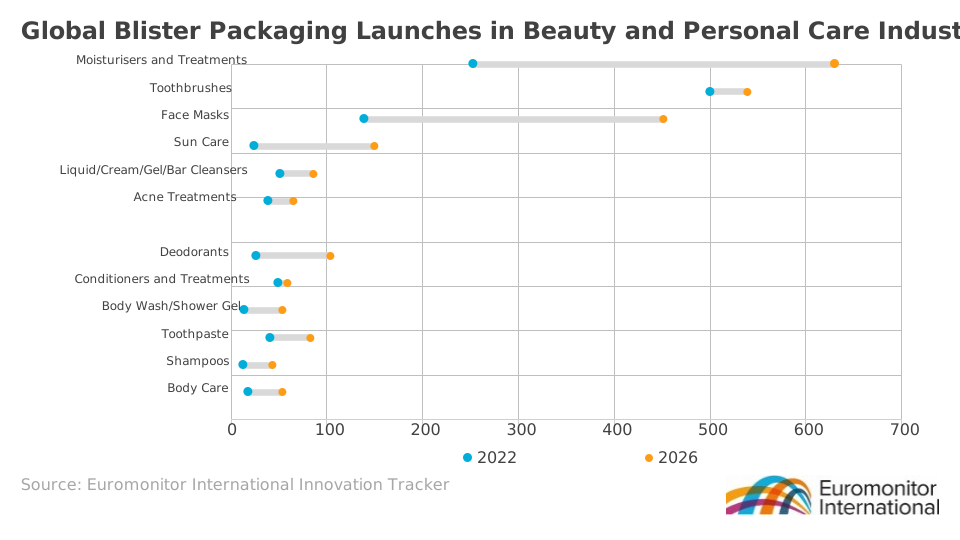
While oral care was among the earliest adopters of blister-based formats, recent growth has been increasingly driven by treatment-led skin care categories. Moisturisers, treatments and face masks have emerged as key areas of innovation as brands use healthcare-inspired packaging to reinforce efficacy claims, support active ingredient positioning and enhance treatment-orientated routines.
Established brands have already helped make pharmaceutical-inspired formats a recognisable part of beauty. Elizabeth Arden's Ceramide capsules and ISDIN's ampoule treatments are well-established examples of how packaging can reinforce a brand's efficacy credentials. The growing popularity of regenerative ingredients such as PDRN has since expanded capsule and ampoule use, with brands including Medicube pairing these formats with clinically-inspired actives. The format is also moving beyond skin care into scalp care, where L'Oréal Professionnel's Aminexil Advanced single-use ampoules and newer entrants such as REHAB are bringing the same dose-led, treatment-focused cues to the category. As a result, packaging is increasingly being used not only to preserve products but also to signal precision, ingredient integrity and professional-grade performance.
The appeal extends beyond product protection. Individually-dosed formats support premiumisation by creating a deliberate usage experience. Opening a capsule/ampoule reinforces precision and care, helping packaging become part of the value proposition rather than simply a vehicle for the formula.
Precision formats find wider applications
Convenience gives precision packaging relevance beyond intensive skin care treatments. Pre-measured formats are portable, straightforward to use and less prone to leakage, making them suitable for travel, occasional treatments and consumers looking to simplify their routines.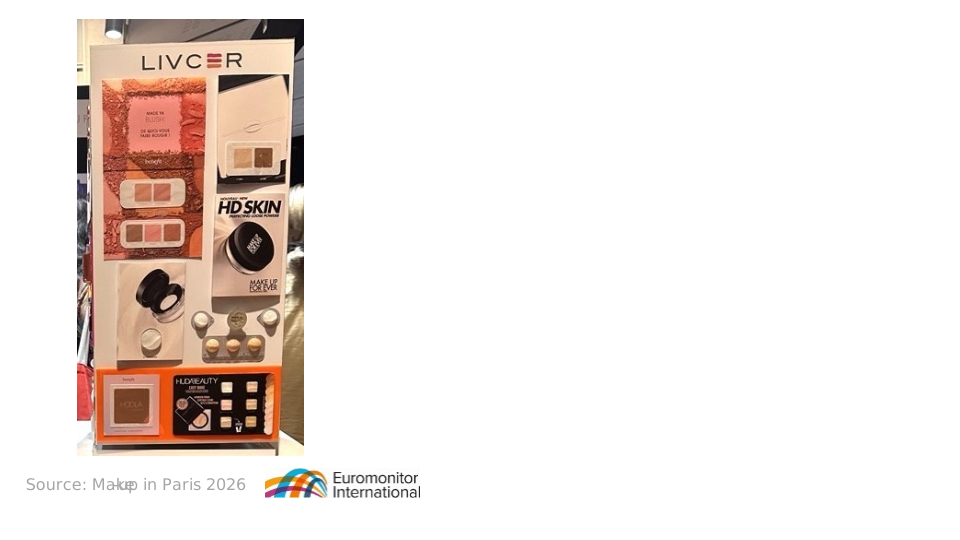
Sampling is another potential area of application. Blister-style packaging can provide controlled quantities of foundation, lip colour or skin care without requiring a miniature version of the full-sized pack. They can also allow several shades, formulas or stages of a routine to be presented together. This creates opportunities in discovery sets, travel retail, beauty subscriptions and promotional sampling, where brands need to balance consumer trial with product protection and presentation.
Sustainability will set the limits
Looking ahead, the next phase of innovation is likely to focus on making capsules, ampoules and other precision formats both more effective and more sustainable. As brands expand the use of individually-dosed solutions, greater emphasis will be placed on lightweight designs, mono-material components and simpler packaging structures that support recyclability. Success will depend not only on demonstrating efficacy, but also on proving that the packaging itself adds meaningful value. The strongest opportunities will be where precision packaging enhances product performance while aligning with evolving environmental expectations.