
The global car rental industry is evolving beyond its traditional role of providing short-term vehicles for travellers. While tourism remains an important demand driver, operators are increasingly navigating rising fleet costs, higher financing expenses and changing consumer expectations. Success is no longer determined simply by fleet size or branch coverage. Instead, rental companies are being challenged to deliver greater flexibility, more seamless customer experiences and stronger operational efficiency.
The most successful operators are now combining digital technologies with personal service, treating fleets as flexible assets that can support multiple use cases, and expanding through locally tailored strategies rather than standardised global playbooks. Together, this is reshaping how vehicles are acquired, managed, distributed and experienced by customers.
Digital convenience is only valuable when it strengthens customer trust
For years, the industry focused on reducing friction in the rental journey. Today, many operators allow customers to complete booking, identity verification, vehicle selection and pickup through mobile apps with minimal branch interaction. Digitalisation has undoubtedly improved convenience, but the next phase of innovation is not about removing people altogether.
As rental processes become increasingly automated, customer expectations are shifting towards a balance of digital efficiency and human reassurance. Routine tasks such as check-in, documentation and vehicle collection can be completed through self-service platforms, freeing employees to focus on situations where advice, problem-solving or empathy matter most.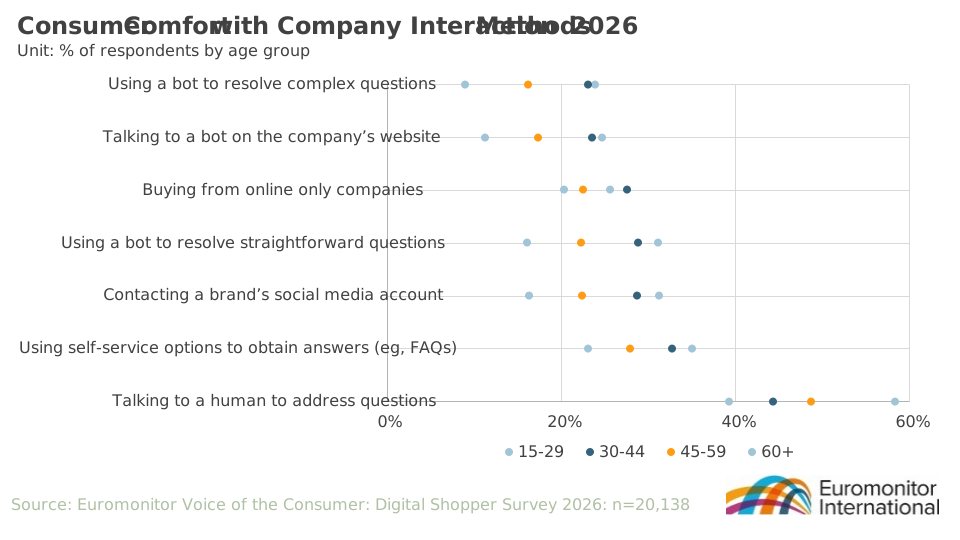
Rental companies are taking action by investing heavily in digital pickup, app-based management and automation, while continuing to provide accessible human support when customers face disruptions or require assistance.
Rather than viewing technology and people as competing alternatives, leading operators are combining them into a single service model.
Source: Euromonitor International
In the future, customers are likely to judge rental brands not only by how quickly they can complete a transaction, but also by how effectively they can access support when plans change.
Fleet flexibility is becoming the industry's most important competitive advantage
The traditional rental model relied on owning large fleets and maximising utilisation. Increasingly, however, operators are finding that flexibility can be more valuable than ownership. Seasonal demand swings, volatile vehicle costs and evolving mobility needs are driving new approaches to fleet management. Across the vehicle lifecycle, companies are adopting partnership-based models to access capacity when needed and developing more efficient remarketing channels to improve disposal and capital recovery.
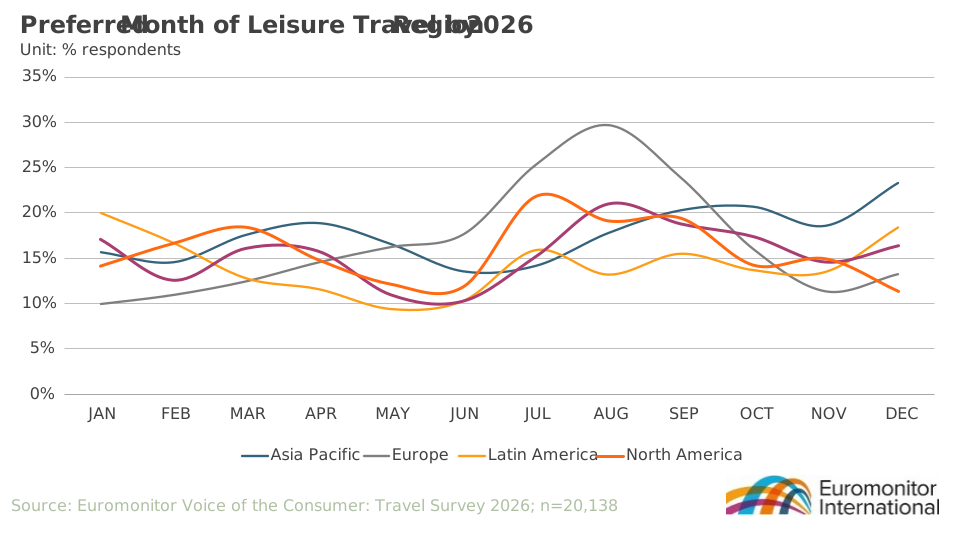
At the same time, customers are looking beyond traditional short-term rentals. Businesses, insurance replacement users and consumers seeking alternatives to ownership increasingly want access to vehicles for periods ranging from days to months, blurring the lines between rental, leasing and subscription. The future lies in connected fleets that can serve multiple demand segments through a single platform, allowing operators to improve utilisation, reduce idle assets and respond more quickly to changing market conditions.
Local adaptation and practical electrification will drive the next wave of growth
Growth opportunities are increasingly concentrated in emerging markets, particularly across Asia, the Gulf and parts of Latin America. Emerging regions combined will contribute to 42.6% of absolute global growth value over 2025-2030 period and deliver a 3.9% CAGR. However, expansion into these regions requires far more than replicating a successful model developed in core markets. Leading operators are discovering that local relationships, market knowledge and targeted partnerships can be more valuable than scale alone. Companies entering new markets are adapting their offerings to local travel habits, corporate mobility needs and consumer preferences. Successful expansion strategies are becoming more market-specific and less standardised.
The same flexibility principle applies to fleet electrification. Rental companies widely recognise the long-term importance of electric vehicles, yet customers still face practical challenges related to charging availability, unfamiliarity with EV ownership and varying infrastructure quality. As a result, the most effective approaches are focused on solving customer pain points rather than simply increasing green fleet numbers. Partnerships that simplify charging, improve route planning and reduce range anxiety are becoming increasingly important. In many markets, hybrid vehicles are also likely to remain a valuable transitional solution, providing environmental benefits while avoiding some of the operational constraints associated with fully electric fleets.
Future relies on connecting flexibility, trust and local relevance
The most significant changes in car rental are happening at the intersection of service, operations and strategy. Digital tools are transforming customer interactions, flexible fleet models are redefining asset management and localised growth strategies are opening new opportunities across emerging markets.
For operators, the future is unlikely to reward those that simply own the most vehicles or operate the most branches, it will favour companies that combine digital speed with human support, manage fleets as dynamic mobility assets and adapt their business models to local market realities. As mobility needs continue to diversify, the ability to balance flexibility, trust and operational agility will become the defining characteristic of successful car rental providers.
Download our new briefing, The World Market for Car Rental for current state of the industry, expected market developments and strategic recommendations. For in-depth trend descriptions and case studies read Top Five Trends in Car Rental. More on consumer sentiment on Automotive and Mobility in Voice of the Consumer: Mobility Survey 2026 Key Insights