
Despite grappling with substantial sustainability hurdles, like resource intensity and waste generation, the tissue and hygiene industry is not only surviving but thriving. Seizing opportunities amidst challenges, the market for sustainable products saw an 8% value sales CAGR between 2020 and 2023, outperforming their non-sustainable counterparts.
Leveraging insights from the AI-powered Passport Sustainability platform, Euromonitor International emphasises the need for businesses to adopt transparent sustainability measures. This crucial step not only aids in mitigating risks and adhering to regulations, but also capitalises on the growing consumer preference for sustainable products.
Wide opportunity space in tackling resource use and waste intensiveness
Retail tissue is driving growth, with increasing scrutiny of corporate climate action amplifying the need to address the inherent resource-intensiveness of tissue production. To convey this message, companies continue to communicate around more sustainable sourcing efforts, for example through Forest Stewardship Council (FSC) certified claims, along with using packaging from sustainable sources to complement widely resonating claims, such as “Environmentally Friendly” and “Biodegradable (product)”.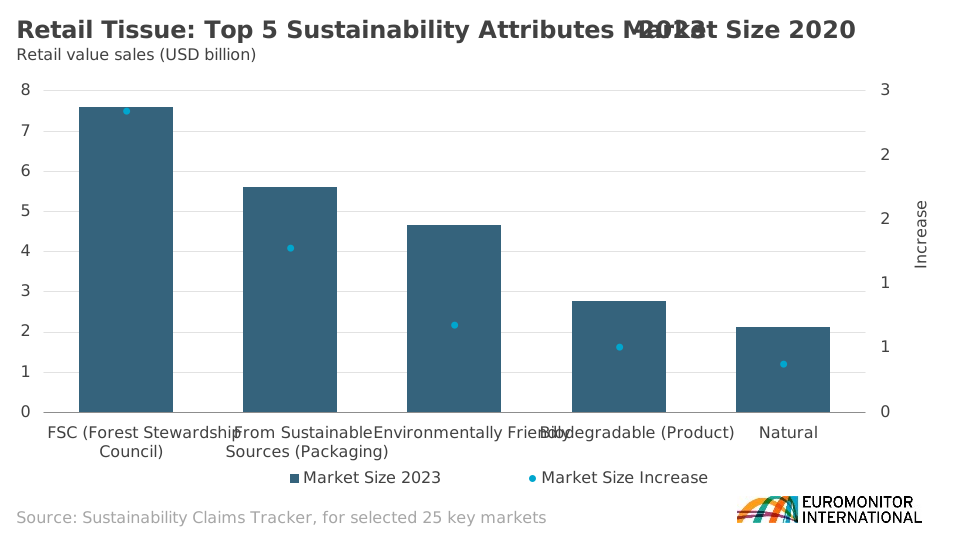
For retail tissue players, it is crucial to incorporate sustainability features along with performance and quality, as these are features consumers will not trade off easily. In fact, in Euromonitor International’s Voice of the Consumer: Sustainability Survey, 50% of global respondents named “Value for Money” as the most influential factor in their purchase of home essential products, closely followed by “High Quality”, chosen by 47%.
Given the substantial costs of incorporating sustainability-related modifications, businesses have focused on critical areas such as sourcing, ingredients and packaging. These areas are under heightened scrutiny and pressure from consumers and regulatory bodies alike, thus making it vital to communicate openly about carbon footprint reductions at every stage of the process.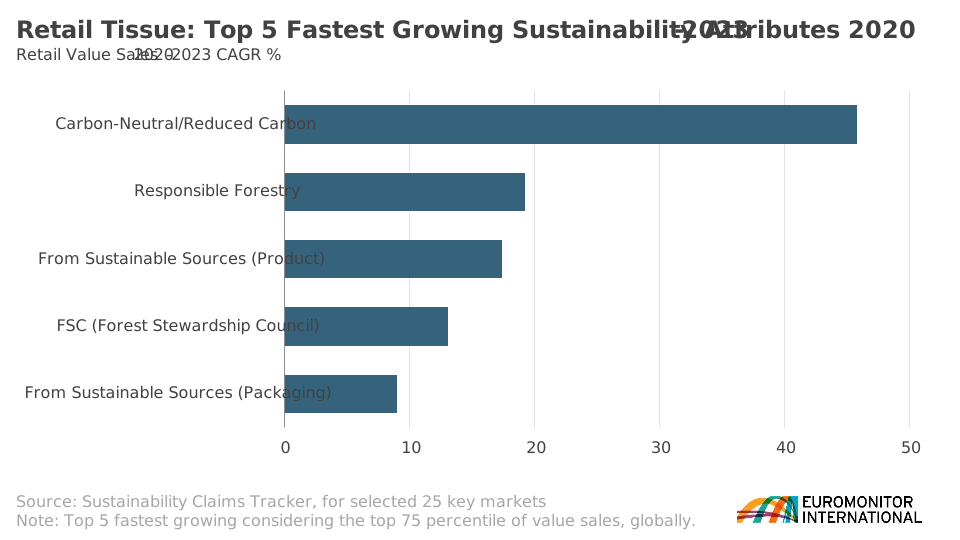
Sustainability complements hygiene products’ value proposition
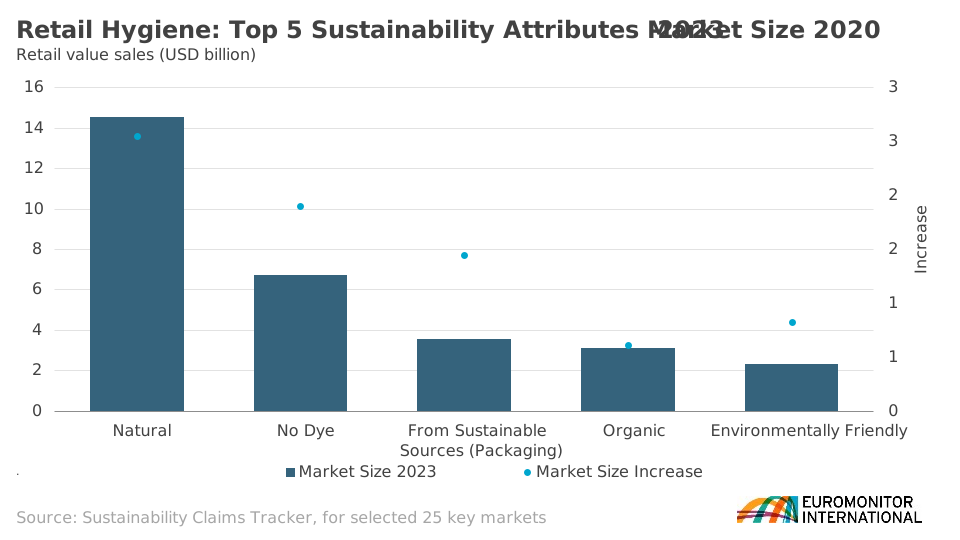
When purchasing retail hygiene products, quality, effectiveness and performance are must-haves for consumers. Their interest in comfort, odour and leak control, softness on skin and absorbency are clearly worth the investment, as, unlike with other essential products, value for money ranks lower along their priorities.
Now, in addition to these features, sustainability is also becoming a desirable attribute. This shift is largely driven by conscientious parents and the growing interest in skin care, which has started to permeate this category. This presents an opportunity for businesses to enrich their value proposition. As a result, hygiene brands are focusing on “free from” claims like “BPA free”, along with natural claims that suggest skin protection and nourishment as part of their sustainability narrative.
In light of the intensified scrutiny surrounding product composition, brands are also refining their communication about sustainably sourced alternative materials. For instance, organic cotton, a sustainable fibre alternative, is increasingly spotlighted in the marketing of baby nappies/diapers and menstrual products.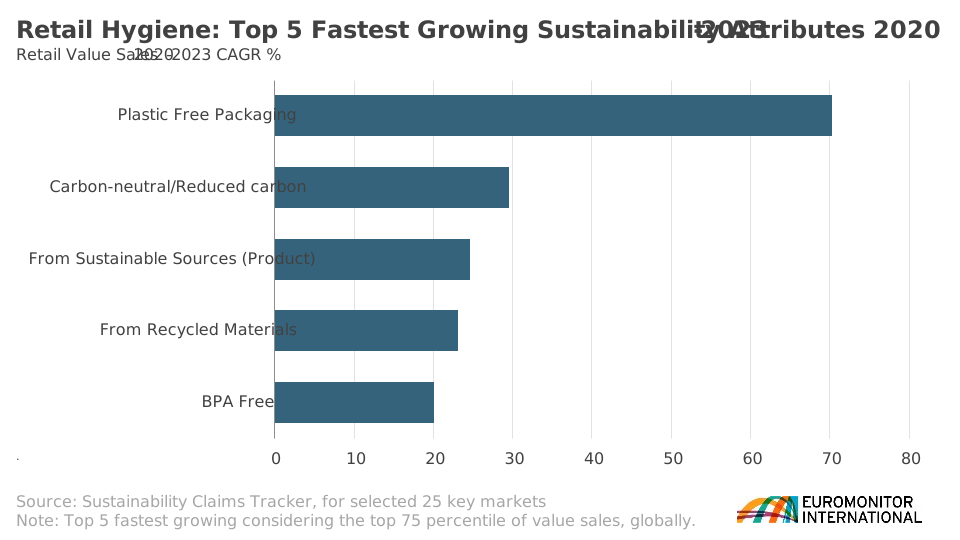
Learn more about Sustainability in our report, Unlocking Sustainability Opportunities in Health and Beauty, and visit our Sustainability page for further insights on where to play and how to win with sustainable claims.